
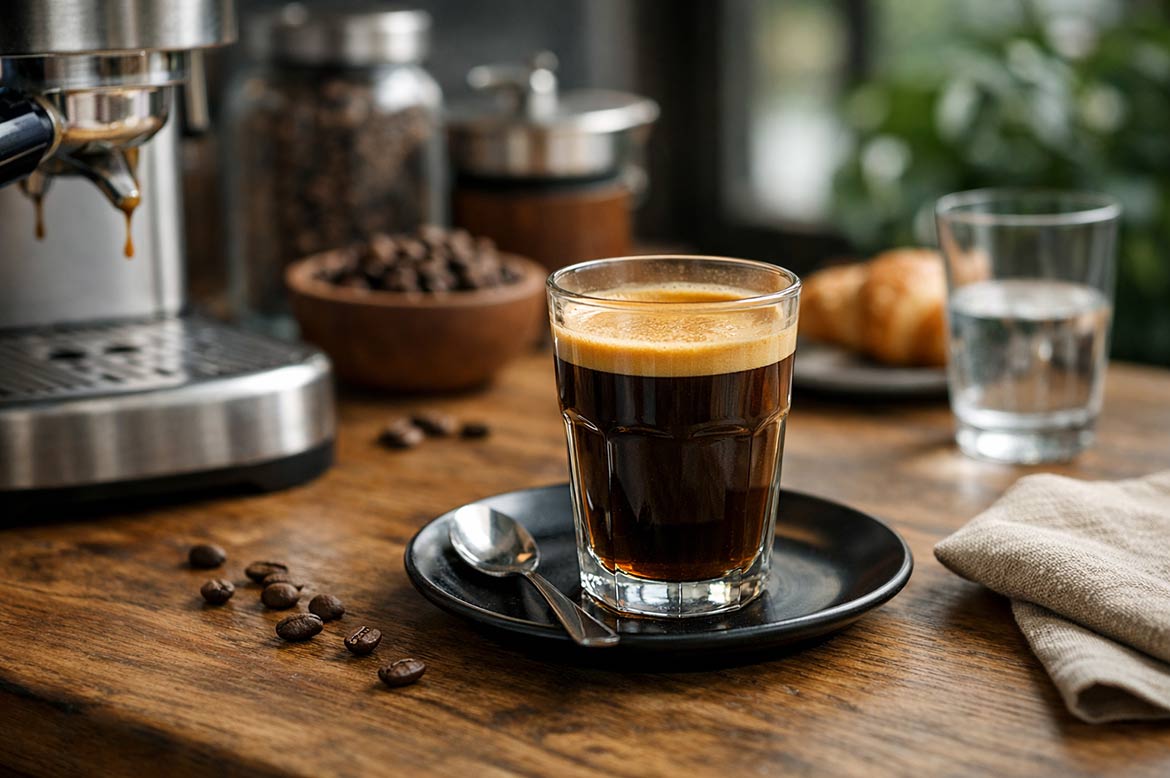
Why Ristretto Coffee Is Gaining Ground Among Espresso Purists
A new wave of espresso experimentation is reshaping how coffee lovers approach their daily brew. From Tokyo’s third-wave cafés to Brooklyn’s minimalist espresso bars, the ristretto coffee recipe is emerging as a favorite among baristas seeking intensity without bitterness.
Ever feel like your espresso is too harsh? Or your morning cup tastes like watered-down coffee. You’re not alone. With so many brewing styles—ristretto, lungo, doppio—it’s easy to get lost in the jargon. But what if the secret to a better cup lies in how much water you use?
The Science Behind Ristretto’s Bold Flavor
Ristretto, meaning “restricted” in Italian, is a short shot of espresso made with the same amount of coffee grounds as a standard espresso but extracted with less water. Typically, the ristretto coffee recipe uses a powder-to-liquid ratio of 1:1 to 1:1.5, compared to espresso’s 1:2. That means 7–9 grams of coffee yields just 7–9 mL (0.24–0.30 fl oz) of liquid—half the volume of a regular shot.
This concentrated extraction results in a richer, more syrupy texture and a flavor profile that emphasizes sweetness and aroma over bitterness. Finer grinds and shorter extraction times—around 15 seconds—help isolate the “front-end” flavors while minimizing harsh compounds that appear later in the brew.
Using finer grinds in the ristretto coffee recipe makes it harder for water to penetrate the coffee bed, slowing down the extraction rate and resulting in a more concentrated shot. Some baristas prefer to stop the extraction early—around 15 seconds—to capture only the front-end flavors, a method known as “short-pull” or “early-phase extraction.”
Ristretto’s reduced water volume and shorter extraction time create a more intense, less bitter espresso experience.
Why Lungo Coffee Isn’t Just a Longer Shot
On the opposite end of the spectrum is lungo coffee, which uses the same amount of grounds but significantly more water. A lung typically extracts 40–54 mL (1.35–1.82 fl oz) of coffee over a longer period, up to 60 seconds. While this may seem like a way to get more caffeine, the result is often a thinner body and increased bitterness due to over-extraction. Still, some professionals argue that a well-balanced lungo can reveal nuanced flavors otherwise lost in shorter brews. For example, Shanghai-based roasters at Gafei Coffee Lab suggest using 18 grams of coffee to extract 40 mL for optimal flavor clarity.
Lungo coffee offers volume and complexity but risks bitterness if not carefully brewed.
Ristretto’s Role in Modern Coffee Culture
Despite its smaller size, ristretto is making a significant impact in the specialty drinks market. In Australia, flat whites and “dirty” iced lattes often rely on double ristretto shots to highlight the characteristics of the beans without overpowering the milk. This approach is favored for its ability to deliver flavor clarity while maintaining balance.
However, frequent grind adjustments to achieve ristretto precision can reduce efficiency and consistency in high-volume cafés. Many baristas opt to shorten extraction time instead, avoiding the bitter compounds that emerge later in the brewing process. However, constantly adjusting grind size can reduce workflow efficiency and lead to inconsistent quality, especially in high-volume café environments.
Ristretto’s concentrated flavor makes it ideal for milk-based drinks, but its precision demands careful technique.
Final Brew Thoughts
Whether you prefer the punchy intensity of a ristretto or the extended complexity of a lungo, understanding your brew method can elevate your coffee experience. The choice isn’t just about taste—it’s about how you want to start your day.
Your espresso style reflects your flavor priorities—short and bold or long and layered.