
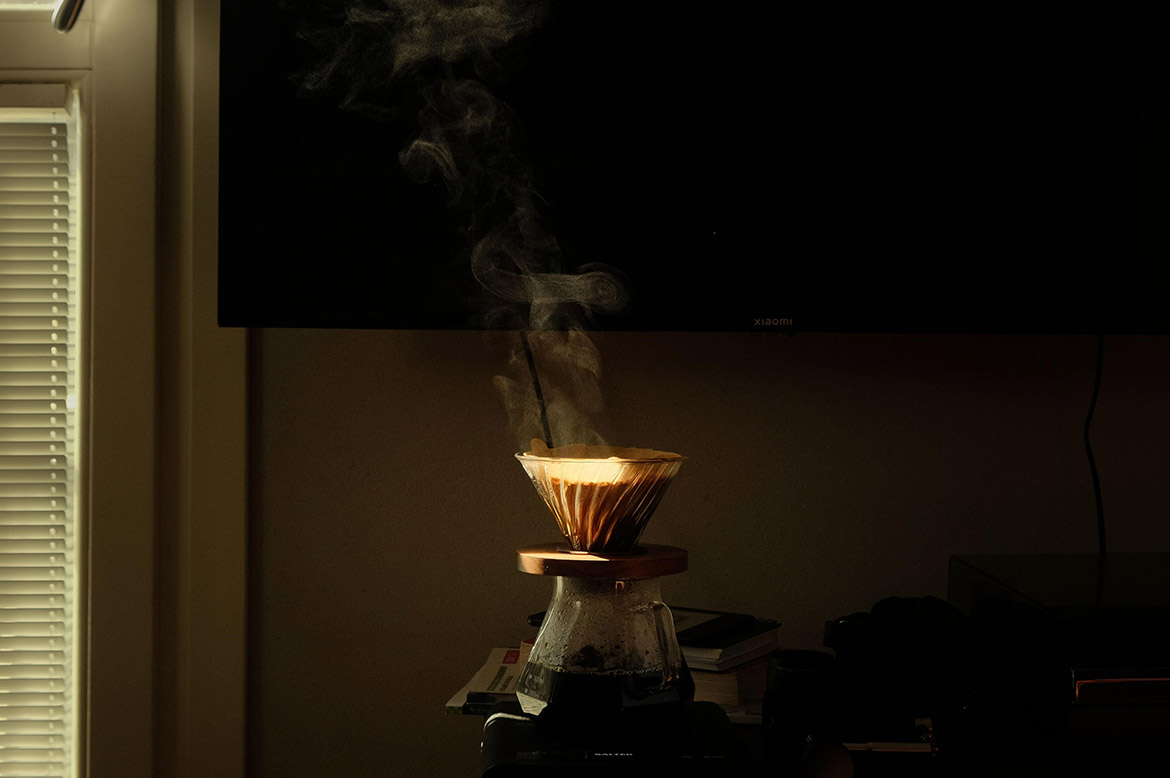
Natural Sweetness in Black Coffee: The Chemistry Behind the Flavor
A new wave of coffee appreciation is shifting the focus from bitterness to balance—and sweetness is at the center of the conversation. In recent months, baristas and roasters have been rethinking what makes a cup of black coffee truly exceptional. Surprisingly, the answer isn’t sugar.
You sip a black coffee. It’s smooth, rich, and sweet—yet no sugar was added. So where does that sweetness come from? And why is it so important in evaluating coffee flavor?
Not All Sugars Are Sweet—and Not All Sweetness Comes from Sugar
It’s a common misconception to equate sweetness with sugar. In reality, not all sugars are sweet, and not all sweet-tasting compounds are sugars. Scientists have identified a wide range of sweet substances, including carbohydrates, amino acids, sugar alcohols, sweet proteins, and synthetic sweeteners.
Sucrose—often called the “king of sweetness”—is a disaccharide and one of the most common water-soluble sugars. It’s found in everything from white and brown sugar to rock sugar and molasses.
These variations of sucrose differ mainly in their refining processes, not in their chemical structure.
While sucrose is undeniably sweet, it’s not the only contributor to the natural sweetness in black coffee.
Historically, sugar consumption was considered a marker of social status, and refined sugar once functioned as a global commodity currency.
Sweetness in coffee can come from a variety of compounds, not just sucrose.
The Role of Roasting: Maillard and Caramelization Reactions
During roasting, coffee beans undergo complex chemical transformations. Two key reactions—Maillard and caramelization—produce water-soluble compounds that contribute to sweetness. These reactions break down natural carbohydrates like sucrose and glucose, creating new flavor molecules that taste sweet.
Interestingly, while higher sucrose content in green beans often correlates with sweeter coffee, the sweetness you taste isn’t from the original sucrose itself. Instead, it’s the result of how that sucrose transforms during roasting.
Roasting converts natural sugars into sweet-tasting compounds through heat-driven chemical reactions.
Why Sweetness Matters in Coffee Tasting
In professional cupping, sweetness is a core metric for evaluating coffee flavor. Descriptors like “full sweetness,” “rich sweetness,” or “high sweetness” are considered compliments. A well-balanced sweetness can even mask minor flaws—hence the saying, “a sweet cup hides a hundred faults.”
Achieving optimal sweetness isn’t just the responsibility of baristas during extraction—it’s a collective goal shared across the entire coffee supply chain, from growers and harvesters to roasters and green bean suppliers. In professional evaluation, sweetness is measured alongside acidity and bitterness to ensure the coffee’s flavor profile is well-balanced and multidimensional.
Ultimately, cup quality depends not only on how sweet the coffee tastes, but on how that sweetness complements other attributes such as aroma, acidity, and body. The aim is harmony—not overpowering sweetness.
Sweetness enhances complexity and harmony in coffee, making it a prized trait in specialty evaluation.
The Illusion of Sweetness: Aroma and Perception
Flavor is not just taste—it’s also smell. Certain aromatic compounds in coffee mimic the scent of sweet fruits, nuts, or chocolate. These aromas can trick the brain into perceiving sweetness, even when sugar levels are low.
This phenomenon—called retronasal olfaction—explains why certain black coffees can taste “sweet” even when no sugar is added. It’s a sensory illusion that leads coffee professionals to describe sweetness as a perceived characteristic, shaped by the interaction of aroma and flavor, rather than a strictly measurable trait.
Aroma plays a decisive role in how we perceive sweetness, even in sugar-free coffee.
From Farm to Cup: How Sweetness Is Cultivated
The journey to natural sweetness in black coffee begins long before roasting.
Coffee farmers strive to cultivate cherries with high sugar content, influenced by environmental factors such as altitude, sunlight exposure, and harvest ripeness. Post-harvest processing methods—particularly natural and honey techniques—tend to retain more sugars than traditional washed processes. However, the perceived sweetness in the final brew depends not only on the sucrose levels in green beans but also on how effectively those sugars are transformed through optimized roasting and brewing. When all stages align, the result is a cup that expresses natural sweetness in black coffee with clarity and depth.
Roasters then tailor their profiles to highlight sweetness, while baristas adjust grind size, water temperature, and extraction time to preserve it.
Every stage of coffee production—from farming to brewing—affects how sweetness is developed and perceived.
Sweetness Without Sugar
The natural sweetness in black coffee is a product of chemistry, craftsmanship, and perception. It doesn’t come from added sugar, but from the bean’s inherent compounds and the way they’re transformed through roasting and brewing. For coffee lovers and professionals alike, understanding this sweetness is key to appreciating the full spectrum of coffee flavor.